Want to understand basic Tahitian without getting lost. This page gives you practical essentials: pronunciation tips, key words, core verbs, numbers, colors, nature terms, family vocabulary, and a mini glossary you can scan fast. If you love the culture behind these words, start here: Polynesian art.
Table of contents.
Pronunciation tips.
Key words to know.
Essential verbs.
Numbers and counting.
Colors.
Nature, sea, sky.
Countries.
Family.
Time, days, months.
Mini glossary A – T.
FAQ.
Pronunciation tips
Some Tahitian words use an apostrophe. It marks a small pause in the voice. This glossary stays practical on purpose: the goal is to be understood and respect the word, not to chase perfect academic pronunciation.
| Word | English | When to use it |
|---|---|---|
| Ia orana | Hello | Simple, effective, perfect to start a conversation. |
| Maeva | Welcome | Great to greet someone in a shop or at home. |
| Mauru’uru | Thank you | The go-to word. Always appreciated. |
| Aita | No | Short, clear, no confusion. |
| Maitai | I’m good / Fine | A natural answer to “How are you”. |
| Tama’a | To eat / Meal | Useful for food, invitations, and daily plans. |
Key words to know
Start with everyday verbs and simple markers. Once you can “do”, “go”, “ask”, “talk”, everything gets easier. Then add context words: sky, rain, wind, sea, days, family, celebrations.
You’ll quickly hear terms like te miti (the sea), te ra (the sun), te ua (rain), te mata’i (wind), te mahana (day), or ananahi (tomorrow). That’s where it becomes fun: you stop translating and start recognizing.
Keep one simple rule: one word + one situation. “Maeva” when welcoming. “Mauru’uru” to thank. “Te miti” when pointing at the lagoon. If you’re curious about the symbols behind the language, explore Tiki art.
Essential verbs
Verbs give structure. With a few verbs, you understand the action even if you don’t catch everything else. For cultural symbols you can wear every day, browse Polynesian jewelry.
| English | Tahitian |
|---|---|
| To do / make | e hamani |
| To know / understand | e ite |
| To sing | e himene |
| To dance | e ori |
| To give | e horoa |
| To speak / talk | e parau |
| To ask | e ani |
| To go | e haere |
| To take | e rave |
Numbers and counting
Useful for buying, quantities, and prices. Knowing 1 to 5 already helps a lot. For small, easy-to-pack souvenirs, see gifts from Polynesia.
| Number | Tahitian |
|---|---|
| 1 | hoe |
| 2 | piti |
| 3 | toru |
| 4 | maha |
| 5 | pae |
| 6 | ono |
| 7 | hitu |
| 8 | vau |
| 9 | iva |
| 10 | ahuru |
| 100 | hoe hanere |
| 1000 | hoe tauatini |
Colors
Colors come up quickly: fabrics, flowers, objects, lagoon shades, landscapes. If you love bold island colors, browse Polynesian clothing and especially hand-painted pareo.
| English | Tahitian |
|---|---|
| Red | uteute |
| White | teata |
| Blue | ninamu, moana |
| Green | matie |
| Black | ereere |
| Yellow | rearae |
| Orange | anani |
Nature, sea, sky
These words show up in weather talk, lagoon trips, and daily life. Sea animals and island nature are also strong motifs in Polynesian animal art.
| English | Tahitian |
|---|---|
| The sea | te miti |
| The sun | te ra |
| Rain | te ua |
| Wind | te mata’i |
| Day | te mahana |
| Tomorrow | ananahi |
| Yesterday | inanahi |
Countries
Use this section when talking about where someone is from. Keep it short and practical.
| English | Tahitian |
|---|---|
| France | Farāni |
| United States | Amelika |
| New Zealand | Niu Tīreni |
| Australia | Ōtireria |
Family
In Polynesia, family matters. These words come up naturally and often. Family stories, symbols, and heritage are also common themes in Polynesian decor.
| English | Tahitian |
|---|---|
| Father | te metua tane |
| Mother | te metua vahine |
| Child | te tamaiti |
| Daughter | te tamahine |
| Son / boy | te tamaroa |
| Family / relatives | te fetii |
| Grandchildren | te mau motua |
| Adoptive parents | metua faaamu |
| Adopted children | tamarii faaamu |
Time, days, months
With “yesterday, tomorrow, morning, evening” you already cover most needs. Days and months help you navigate schedules.
Quick time markers
| English | Tahitian |
|---|---|
| Day | te ao |
| Night | te pô, te rui |
| Morning | te poipoi |
| Evening | te ahiahi |
| Tomorrow | ananahi |
| Yesterday | inanahi |
| Year | te matahiti |
Days of the week
| English | Tahitian |
|---|---|
| Monday | monire |
| Tuesday | mahana piti |
| Wednesday | mahana toru |
| Thursday | mahana maha |
| Friday | mahana pae |
| Saturday | mahana ma a |
| Sunday | tapati |
Months
| English | Tahitian |
|---|---|
| January | tenuare |
| February | fepuare |
| March | mati |
| April | eperera |
| May | mê |
| June | tiunu |
| July | tiurai |
| August | atete |
| September | tetepa |
| October | atopa |
| November | novema |
| December | titema |
Mini glossary A – T
This is your safety net. When you encounter a word, come back here and find it fast. If you want traditional island scents and care, browse Polynesian cosmetics.
| Word | English | Quick note |
|---|---|---|
| Ahu | Altar of a marae | You’ll hear it when people talk about ceremonial places. |
| Marae | Ancient temple / sacred site | A key word for traditions and history. |
| Pahu | Drum | Connected to dance, ceremonies, celebrations. |
| Ori | Dance | A central word in Polynesian culture. |
| Himene | Song | Common in festivals and cultural references. |
| Heiva | Festival / celebration | Used for events and major celebrations. |
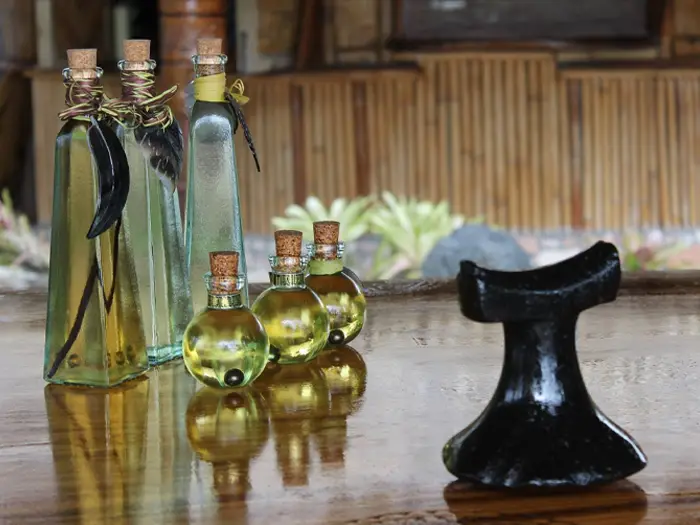
| Monoi | Scented oil | Classic word for care, fragrance, tradition. |
| Motu | Islet | Small sandy coral islet, often seen in lagoons. |
| Honu | Turtle | Strong lagoon symbol, also common in animal art. |
| Mao | Shark | Often mentioned at sea, also common in animal art. |
| Tapa | Barkcloth | Traditional material and inspiration for Polynesian decor. |
| Tapu | Forbidden / sacred | Helps you understand rules and respect places. |
| Pareu | Women’s wrap / pareo | Island essential – see hand-painted pareo. |
| Uru | Breadfruit tree | Pops up quickly in food and traditions. |
| Taro | Taro | Local staple, often referenced in culture and food. |
| Vahine | Woman, wife, lady | Common when addressing or describing a woman. |
| Fara | Pandanus | Linked to weaving and traditional crafts. |
| Fare | House | The classic word for a home, traditional or not. |
| Anavai | River | A word often tied to freshness and life. |
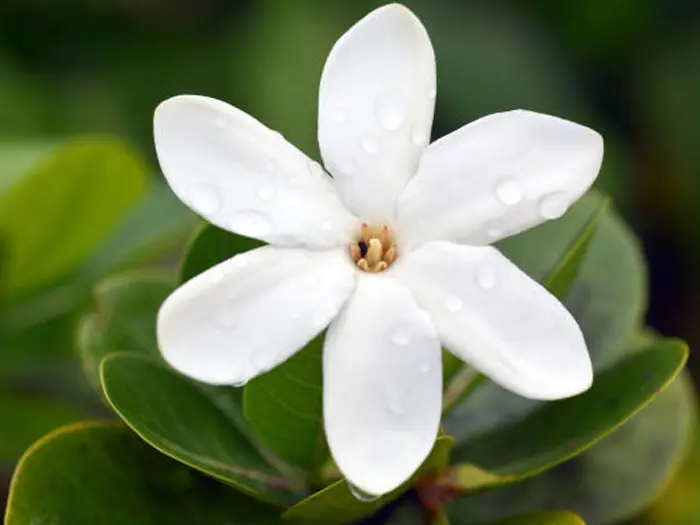
| Tiare | Tiare flower | Iconic symbol, often seen in Polynesian jewelry. |
FAQ
How do you say “hello” in Tahitian
Ia orana.
How do you say “thank you”
Mauru’uru.
How do you say “no”
Aita.
Is Tahitian hard to learn
No, if you go step by step: essentials first, then one theme at a time.