Monoï de Tahiti, often searched for in English as Tahitian monoi oil, is used in a wide range of skin and hair care products, including pure oil, dry body oil, balms, creams, and hair treatments. With so many options available, choosing the right product for your needs is not always straightforward. This guide explains how to use monoi oil on your face, body, and hair, as well as for massage. It also covers the main precautions to consider before adding it to your routine. To learn more about its origins and legal protection, read our guide to the history and authenticity of Monoï de Tahiti.
Which Monoi Oil Is Right for You?
Pure monoi oil is a versatile choice for both body and hair care. Other formulas are designed for more specific needs. A dry oil offers a lighter, less greasy finish, while an enriched balm or cream has a more cushioning texture that may be better suited to dry skin and rough areas such as the elbows and heels.
How to Use Monoi Oil on Your Face
When using monoi oil on your face, apply only a very small amount, preferably to dry areas. Its emollient texture may suit dry skin that needs greater softness and comfort. People with oily, acne-prone, or congestion-prone skin should look for a formula specifically labeled noncomedogenic and discontinue use if breakouts appear. The term “dry oil” describes how a product feels on the skin. It does not guarantee that the formula is noncomedogenic.
How to Use Monoi Oil on Your Body and Dry Skin
Body care is one of the most traditional uses of monoi oil. Apply it after a shower while your skin is still slightly damp to help seal in moisture and leave it feeling soft and supple. On particularly dry areas, such as the elbows, knees, and heels, apply a more generous amount to leave a protective emollient layer on the skin.
How to Use Monoi Oil on Your Hair
To use monoi oil as a hair mask, apply it to damp hair, focusing on the mid-lengths and ends rather than the roots. Leave it on for at least 15 minutes, then wash your hair with a gentle shampoo. This routine is particularly well suited to dry, color-treated hair or hair exposed to sun and saltwater. After swimming in the ocean or a pool, rinse your hair thoroughly with fresh water before applying the oil.
How to Use Monoi Oil for Massage
Its rich, slippery texture makes monoi oil well suited to body massage. Pure monoi oil provides longer-lasting glide, while a dry oil may be more convenient for a short self-massage when you prefer a lighter finish and less residue on the skin.
Dry Oil or Pure Monoi Oil: Which Should You Choose?
Pure monoi oil has a richer texture and leaves a more noticeable layer on the skin. A dry oil generally combines monoi with other plant oils or lightweight emollients to create a less greasy feel. It does not necessarily contain the same percentage of Monoï de Tahiti as pure monoi oil.
Your choice should depend primarily on how you plan to use the product. Pure monoi oil works well for targeted care and particularly dry areas, while a dry oil is often more convenient for daily application over larger areas of the body.
Which Scent Should You Choose: Tiare, Tahitian Vanilla, or Frangipani?
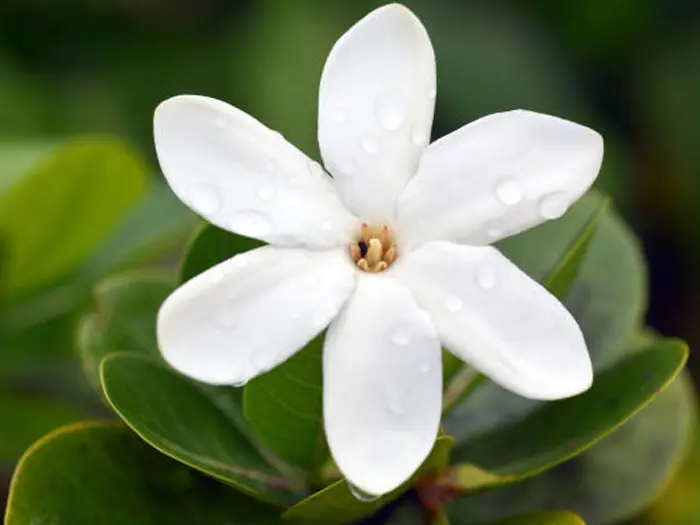
Tiare offers the scent profile most closely associated with Polynesian monoi traditions. It is floral, soft, and slightly powdery. Tahitian vanilla adds a warmer, richer, and more enveloping note that works particularly well in an evening body care routine. Frangipani is sweeter and more heady, creating a distinctly different floral signature.
Depending on the formula, these scents may come from botanical extracts or fragrance compositions. Their presence does not guarantee that a product contains Monoï de Tahiti protected by the Appellation of Origin. The protected designation specifically regulates the production of Monoï de Tahiti and its use in cosmetic products that contain it.
Monoi Oil Precautions
How well monoi oil is tolerated depends on the specific formula and the sensitivity of your skin. Fragranced products may contain components such as limonene, linalool, or farnesol. People with fragrance-sensitive or reactive skin should review the ingredient list and product information carefully before use.
Before applying a new product more widely, try a small amount on the inside of your elbow. Stop using it if redness, itching, irritation, or another reaction develops. This simple check cannot rule out an allergy, but it may help identify an immediate sensitivity to the finished formula.
If you have a diagnosed coconut allergy or have previously reacted to a product containing coconut oil, consult a qualified healthcare professional before using monoi oil. During pregnancy, review the ingredient list and follow the manufacturer’s directions and precautions.
For a baby or young child, use only a product specifically formulated for that age group and follow the directions on the label. Ask a pediatrician or other qualified healthcare professional for guidance if the child has reactive skin or a history of allergies.
Plain monoi oil should not be treated as sunscreen. Its use as a body oil, after-sun product, or ingredient in a sunscreen formula does not automatically mean that it provides sun protection. During sun exposure, use a broad-spectrum sunscreen with an appropriate SPF.
Choosing a Monoï de Tahiti Product
The choice between pure monoi oil, dry oil, balm, or cream depends on the area you want to care for and the result you are looking for, whether that means softer, more comfortable skin or smoother, shinier-looking hair.
Explore our Monoï de Tahiti and tiare flower skin care collection, featuring products selected from Polynesian brands and creators. To learn more about the tiare flower itself, including its history and symbolism in Polynesian culture, read our dedicated article about the tiare flower.