The tiare flower is one of the most recognizable symbols of French Polynesia. White and fragrant, it is worn in the hair, tucked behind the ear, and used for both everyday moments and special occasions. This article explores its botanical identity, its place in Polynesian culture, and the meaning behind the tradition of wearing it.
What Is the Tiare Flower?
The tiare, scientifically known as Gardenia taitensis, is a tropical evergreen shrub in the Rubiaceae family. Native to the southwestern Pacific, it was introduced to French Polynesia long ago and now holds a major place in local culture. It has opposite, dark green, glossy leaves. Its highly fragrant white flowers typically have five to eight lobes fused at the base. In the Polynesian climate, the plant flowers throughout the year, keeping fresh blossoms regularly available.
A Floral Symbol of Tahiti and French Polynesia
The tiare is the floral symbol of Tahiti and one of the most recognizable emblems of the islands. It is used in flower leis and crowns, worn in the hair, or offered as a sign of welcome. This tradition remains one of the flower’s most visible roles, expressing hospitality while also serving as a natural adornment.
What Does Wearing a Tiare Flower Behind the Ear Mean?
Wearing a tiare behind the ear follows a subtle but widely recognized code. Worn on the left side, close to the heart, it indicates that the person is in a relationship. Worn on the right, it traditionally suggests that the person is available. This simple gesture communicates personal information without words through a symbol widely understood in French Polynesia.
The Tiare Flower in Polynesian Traditions
The Tiare Tahiti Conservatory reports that, in ancient Polynesia, the tiare was considered a sacred flower and that only kings were permitted to pick it. It also describes its use during the weddings of people of high rank, when the flowers decorated the newlyweds’ home and bed.
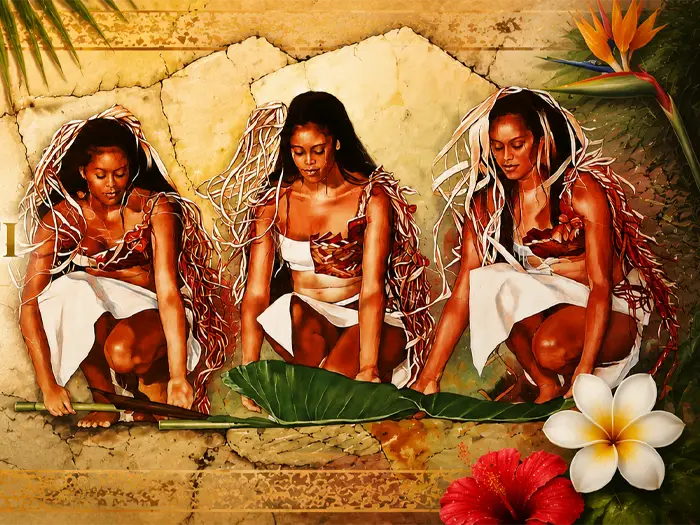
The flower was also used to make the horo, a traditional headdress composed of a fragrant fern leaf and a tiare flower threaded onto a slender coconut palm rib. More broadly, tiare flowers remain an important part of crowns, leis, hairstyles, and other adornments worn during celebrations, ceremonies, and dances.
How Is Tiare Grown and Harvested?
Tiare is widely cultivated in gardens and landscaped areas throughout French Polynesia. It is propagated mainly from cuttings or through layering, since natural reproduction remains limited in the Polynesian islands.
When intended for the production of Monoï de Tahiti, the flowers must be harvested as buds that are just beginning to open, before they reach full bloom. They must then be used no later than the day after they are picked.
What Does the Tiare Flower Smell Like?
The scent of tiare is intense, floral, and enveloping. Its fragrance is central to the flower’s sensory identity and to its use in traditional adornments, scented oils, and Polynesian fragrance creations. This distinctive aroma has made tiare a reference for many perfumes and skin care products, extending well beyond Monoï de Tahiti.
The Role of Tiare in Monoï de Tahiti
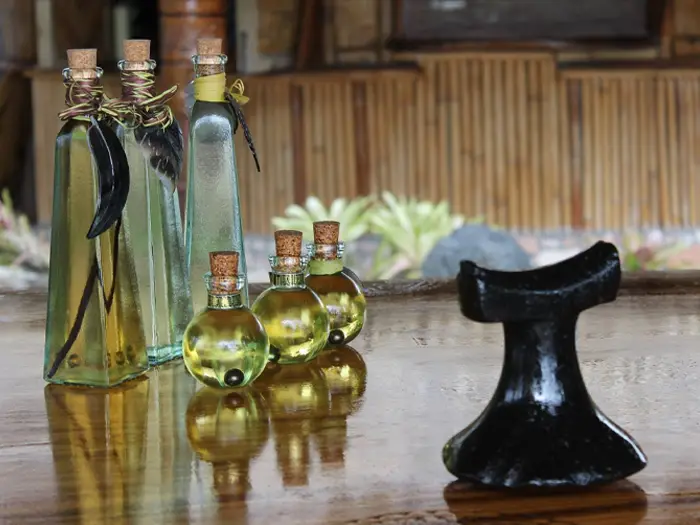
The tiare flower is one of the two essential ingredients in Monoï de Tahiti, along with refined coconut oil made from copra. Macerating the flowers in the oil is at the heart of the process protected by the Appellation of Origin. To learn more about this production method and the criteria used to identify a genuine product, read our guide to the origins, production, and authenticity of Monoï de Tahiti. For practical advice on applying monoi oil to your skin and hair, see our guide to using Monoï de Tahiti.
Discover Tiare in Polynesian Skin Care and Fragrance
Beyond monoi oil, tiare scents a wide range of Polynesian creations, from fragrances to body oils. Explore our Polynesian tiare fragrances, along with our full selection of Monoï de Tahiti and tiare skin care products.
Primary Sources
- Tiare Tahiti Conservatory, French Polynesia Parks and Gardens Service.
- Gardenia taitensis, Plants of the World Online, Royal Botanic Gardens, Kew.
- French Decree No. 92-340 of April 1, 1992, concerning the Appellation of Origin “Monoï de Tahiti”, Légifrance.