


Polynesian jewelry is chosen for material, balance, and authenticity - not for trends that fade in six months. Pieces are handcrafted in Tahiti, French Polynesia, using black pearl, engraved mother-of-pearl, shells, bone, and woven fibers. Some designs are minimal and easy to wear every day. Others feel more expressive, made to mark a moment. What they share is the same intention: jewelry that feels good on the skin, sits naturally, and looks better as it ages.
Showing 1–12 of 58 results
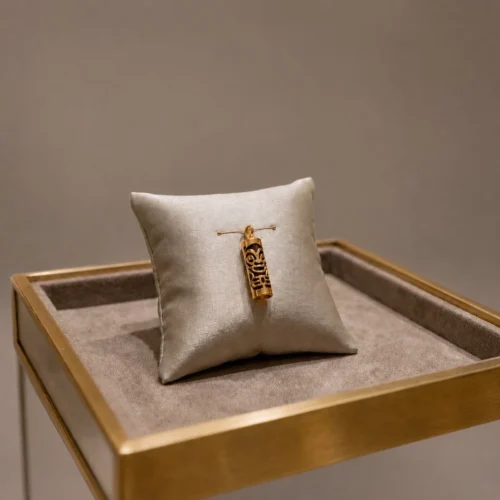


The identity of Polynesian jewelry starts with what it’s made from. A black pearl brings depth and presence - it often becomes the quiet center of the piece. Engraved mother-of-pearl reflects light more softly, creating contrast rather than shine. Shell and bone add texture and a more organic rhythm, while woven fibers bring a lighter, more natural feel. If you’re looking for the most iconic material first, necklaces and pendants make it easy to spot where pearl or mother-of-pearl takes the lead.
A ring is about comfort and proportion - something that feels right on the hand from morning to night. Necklaces set the tone of an outfit: a central pendant creates a focal point, while a simpler line stays understated. Bracelets work best when they move naturally with the wrist, without excess bulk. Earrings depend on balance: some are meant to stand out, others to frame the face quietly. The best test is simple: if the piece doesn’t ask for constant adjustment, it’s already doing its job. If you want something that’s easy to combine, start with earrings in clean lines or a single dominant material.
Some pieces become everyday companions: light, comfortable, easy to pair. Others are chosen as gifts or for occasions - more distinctive, more symbolic, more “this is for you”. Neither approach is better. It’s just a different intention. For a gift that feels complete without overthinking it, jewelry sets are often the easiest option: the balance is already built in.
Designs with clean lines, balanced proportions, and one dominant material tend to adapt best. They stay comfortable, visually consistent, and easy to pair. In practice, the right piece is often the one that feels familiar the moment you put it on. No effort, no fuss.
